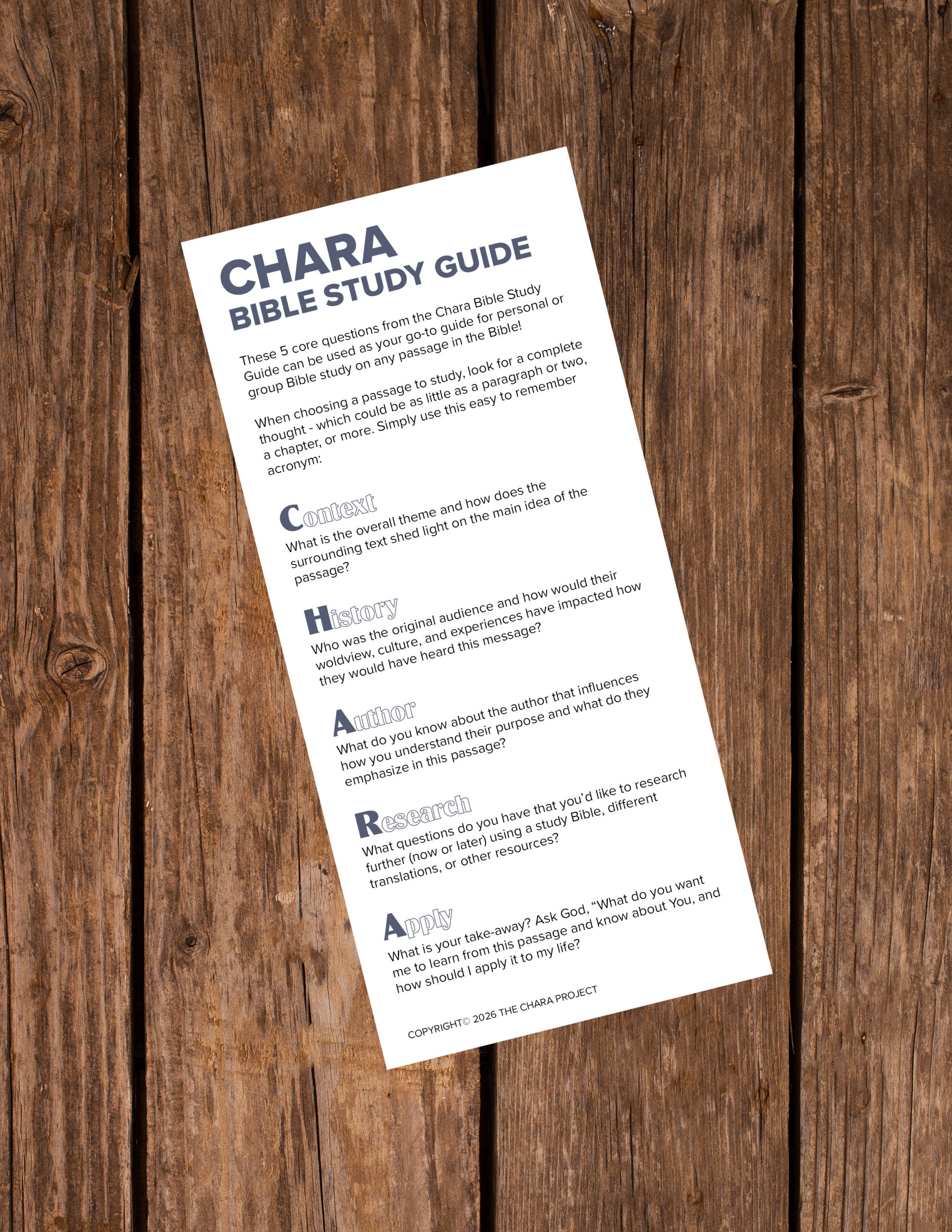
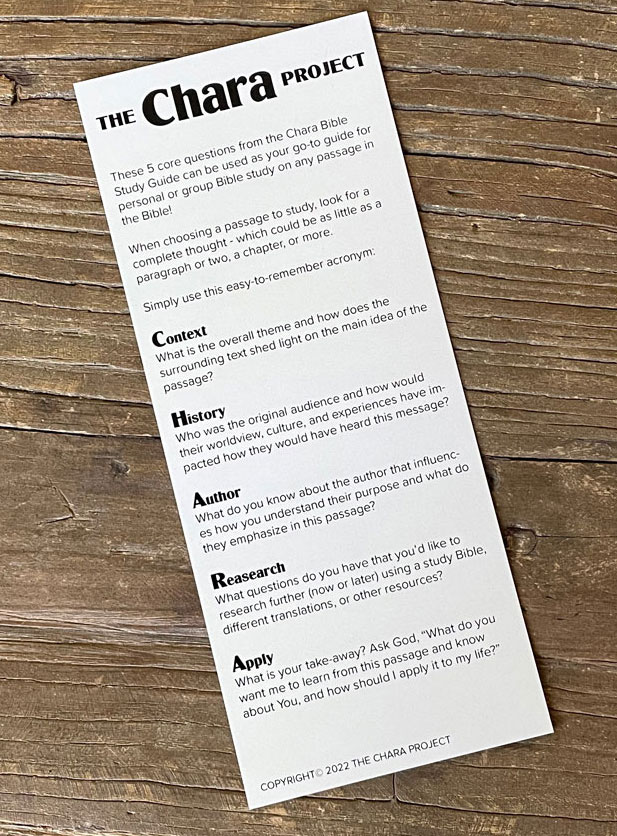
Starting a Bible study can feel overwhelming—but it doesn’t have to be.
There are people who are open to exploring the Bible, even if they’re not interested in attending a church. Creating space to study the Bible together can be a meaningful way to grow in understanding and community.
Our full article walks through the key parts of starting, hosting, and leading a group. Here’s a quick look at what you’ll find.
Every group has a beginning.
We include practical tips to help you take that first step—whether you’re starting something new or expanding an existing group. The focus is on creating an environment where people can come together to explore the Bible, regardless of their background or beliefs.
Hosting a group is about more than just opening your home.
It’s about creating a space where people feel comfortable, welcomed, and able to engage in meaningful conversation. We share helpful directions for those looking to host a group Bible study.
Leading a Bible study comes with its own set of challenges—especially when people bring different perspectives and beliefs.
Access insights drawn from years of real-life experience studying alongside others. It’s designed to help you lead thoughtfully and with care.
Questions are a natural part of leading a group.
That’s why we also include a section answering common questions that come up when starting, hosting, or leading a Bible study—based on real experiences along the way.
A Note on the Bigger Picture
At the heart of all of this is a simple idea: building confidence in studying the Bible—both on your own and with others.
Leading a Bible study isn’t about having all the answers. It’s about creating space for people to explore, ask questions, and grow.
The Neighbor Guide
What more? Check out our The Neighbor Guide, a companion resource that helps you navigate relationships around the Bible with people who may believe differently than you.