
Did Jesus really say to hate your family? Luke 14:26 is one of those verses that stops you in your tracks, and most of us either skip right past it or grab the first answer we find online. But a little research can turn a confusing verse into one of the clearest pictures of what it means to follow Jesus.
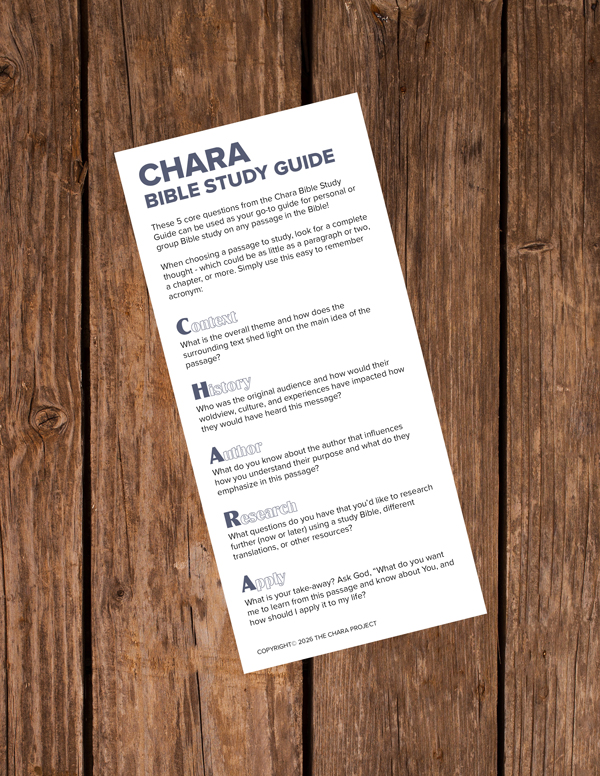
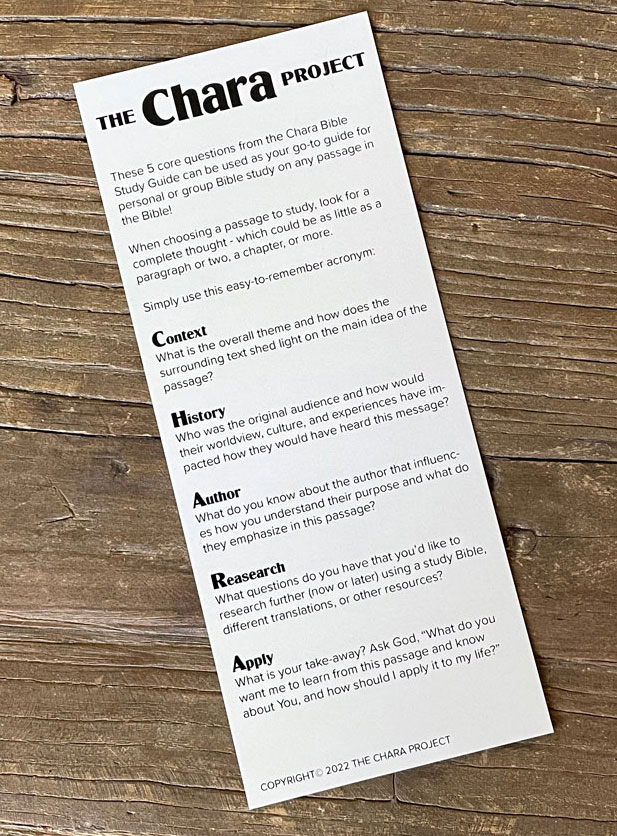
Research is the “R” in the CHARA Bible study method. It helps us where our own knowledge falls short and gives us tools to better understand what we’re reading. So why does research matter when learning how to study the Bible?
In this episode, Heather and Sarah share three reasons research changes how you read the Bible:
Rather than skipping over confusing verses, research encourages us to ask questions and explore what the text is really saying.
Comparing Bible translations and looking up the original Greek can help us better understand the meaning behind the words and what Jesus was really saying.
Trusted study Bibles and commentaries help us learn from others and gain insight where our own knowledge is limited. Using Luke 14:26 as a case study, they show how comparing translations, researching the original language, and using helpful resources can turn a confusing verse into a clearer picture of what it means to follow Jesus. Along the way, explaining the difference between literal and readable Bible translations.
If you’ve ever hit a verse that made zero sense and wondered where to even start, this episode will help you study with confidence instead of guessing.
Through the CHARA Bible Study Guide, podcast, and free resources, The Chara Project helps people learn how to study the Bible with confidence.
Check out the latest podcast episode to discover how research can help you better understand the Bible and grow in confidence as you study!