

The Bible is the literal Word of God, yet it is written in diverse writing styles, including various figures of speech that are not always meant to be taken literally.
This concept shouldn’t be new to us. We use this kind of language today. For example:
Just like today, common sense should be used when determining when it’s figurative or poetic language being used versus something to take literally.
HOW DO WE DETERMINE IF A PASSAGE IS LITERAL VS FIGURATIVE?
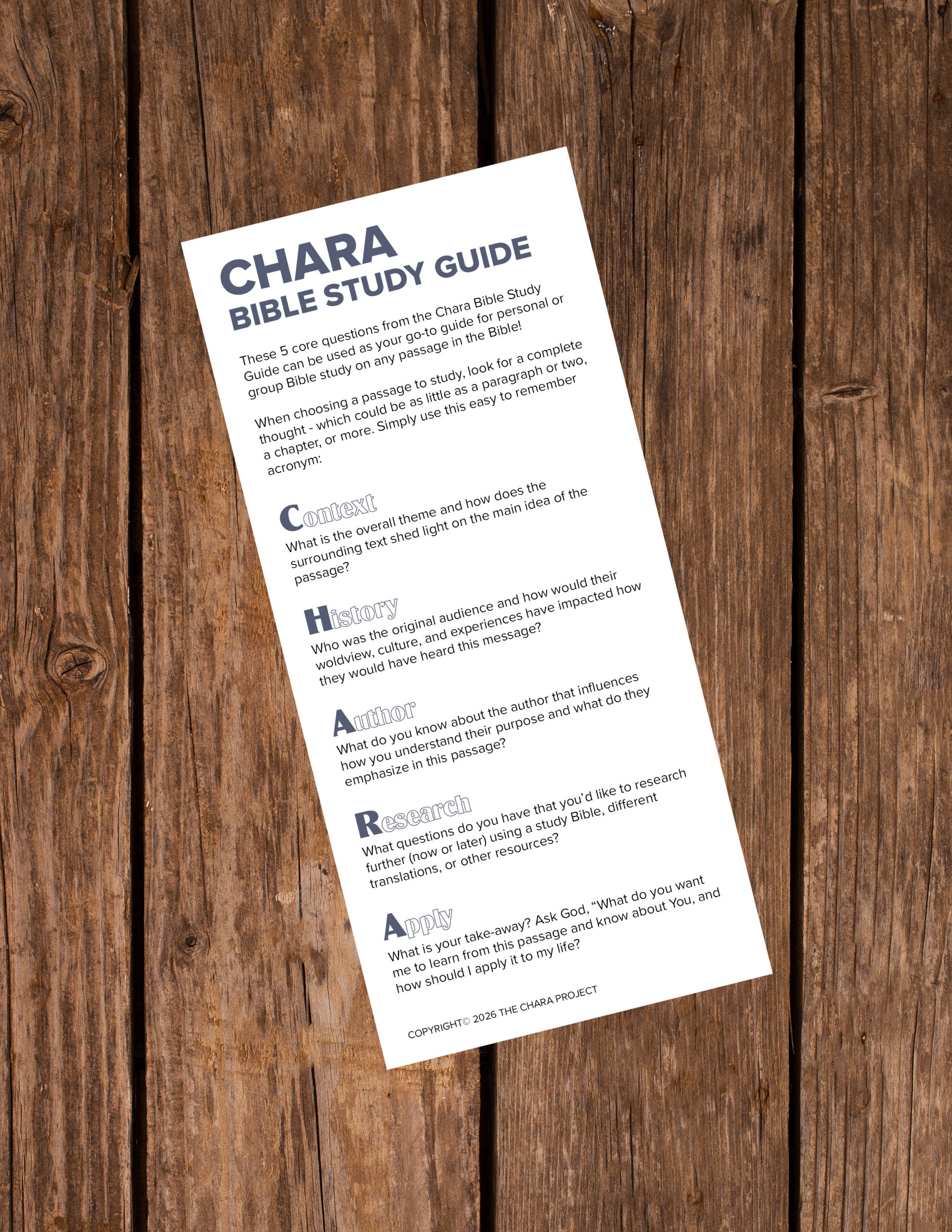
When we open up our Bibles to read a passage, we should always take into account the AUTHOR, their intended purpose and writing style (poetry, prophecy, apocalyptic, etc), and the HISTORY and cultures of the day, who it was written to, and how the original hearers would have heard the message.
Assume LITERAL meaning when:
Note: Be careful not to assign hidden meaning or spiritualize text that challenges you
Assume FIGURATIVE/SYMBOLIC meaning when:
Interested in learning more about how to determine if a passage is literal or figurative? Check out this article.